

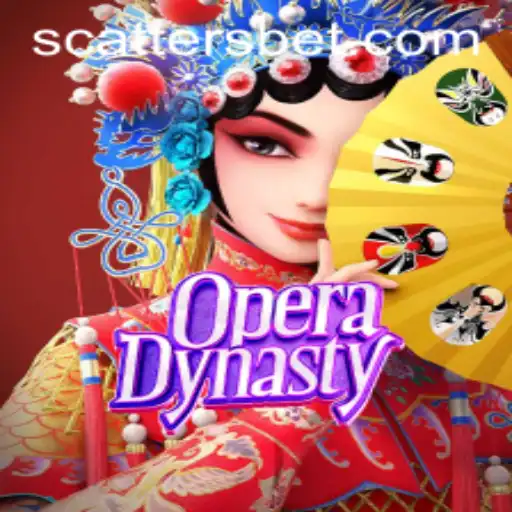
OperaDynasty: A Comprehensive Exploration of the iiiigame
In the rapidly evolving landscape of digital entertainment, few genres offer the same depth and cultural resonance as iiiigames. These innovative creations present immersive experiences that capture the imagination of players worldwide. One standout title in this space is OperaDynasty, a game that masterfully intertwines elements of strategy, artistry, and narrative to deliver a captivating gameplay experience.
Introduction to OperaDynasty
OperaDynasty takes players on an intriguing journey through the ornate and often dramatic world of theatrical opera. Set against the backdrop of a dynasty grappling with power struggles, the game challenges players to navigate the complex web of intrigue, emotion, and strategic maneuvering necessary to ascend to the apex of operatic success. OperaDynasty is built upon a foundation that celebrates the artistry and mystique of opera while offering a digital experience that is both engaging and educational.
The game has gained significant attention since its release, resonating with fans of strategic role-playing games (RPGs) and those who appreciate the historical and cultural depth found within the art of opera. By emphasizing narrative-driven gameplay, OperaDynasty sets itself apart from other games in the iiiigame genre.
Thematic and Gameplay Mechanics
Central to the appeal of OperaDynasty is its thematic authenticity, which is brought to life through meticulously crafted environments, costumes, and story arcs. Players assume the role of a budding opera manager, tasked with building and managing a troupe capable of transforming raw talent into operatic legend. From recruiting and training performers to navigating the political intricacies of patronage, the game offers a nuanced blend of managerial strategy and artistic storytelling.
OperaDynasty employs a turn-based strategy system, allowing players to make strategic decisions that impact their troupe's trajectory. Success is determined by various factors, including the composition of operatic performances, the skill enhancement of performers, and the negotiation of alliances with powerful patrons. These elements are designed to provide players with a sense of agency and investment in the narrative outcomes of their actions.
Rules and Objectives
The gameplay within OperaDynasty is structured around a series of progressive chapters, each introducing new challenges and opportunities for players. The primary objective is to lead one's troupe to become the most prestigious opera house in the dynasty. Achieving this involves fulfilling key objectives, including:
- Recruiting and Training Performers: Players must scout for talent, selecting performers who exhibit potential across diverse opera roles. Training regimes can be tailored to enhance specific skill sets, balancing artistic flair with technical precision.
- Strategic Performance Planning: Players are tasked with organizing operatic performances that captivate audiences. This involves selecting suitable repertoires, casting performers strategically, and orchestrating stage designs that enhance thematic resonance.
- Managing Resources and Alliances: Players navigate the complexities of resource management, weighing the allocation of financial and material resources to optimize their troupe's performance capabilities. Forming alliances with influential figures grants access to additional resources and opportunities.
- Maintaining Reputation and Influence: The game challenges players to maintain their troupe's reputation within the competitive operatic landscape. This involves managing public relations, handling scandals, and leveraging media to shape public perception positively.
Victory is achieved by rising through the ranks to become the dynasty's most lauded opera house. However, players must remain vigilant, as their rivals are equally determined to seize operatic dominance.
Cultural Context and Current Events
OperaDynasty's release coincides with a revival of interest in traditional art forms as gaming platforms increasingly embrace historical and cultural narratives. The game's development tapped into collaborations with opera experts and historians to ensure authenticity, resonating with a new generation eager to explore cultural heritage through interactive mediums.
Amidst current trends emphasizing the preservation of cultural treasures, OperaDynasty serves as both entertainment and education, bridging the gap between history and technology. Recent discussions around inclusivity in gaming have also influenced the development of OperaDynasty, with diverse character representation and accessibility features enhancements made to accommodate a broad player base.
Conclusion
OperaDynasty exemplifies the potential of iiiigames to offer enriching experiences that combine entertainment with cultural education. By immersing players in the rich tapestry of operatic artistry and strategy, the game invites exploration of both digital interactivity and historical legacy.